src='https://pagead2.googlesyndication.com/pagead/js/adsbygoogle.js?client=ca-pub-2513966551258002'/> Rightways: supplements Infolinks.com, 2618740 , RESELLER

Pages

Share This

Deepseek https://www.deepseek.com/./深度求索 DeepSeek | 深度求索 https://askaichat.app/chat
Showing posts with label supplements. Show all posts

Monday, February 23, 2026

When are supplements necessary?

Nutrient deficiencies are a widespread problem occuring among the rich and the poor.

https://www.pressreader.com/malaysia/the-star-malaysia/20260222/282480010263654


Are Supplements Truly Necessary? Essential Facts Every Health Enthusiast Should Know
 
Are Supplements Truly Necessary? Essential Facts Every Health Enthusiast Should Know

In an era where people are becoming increasingly health-conscious, adopting a nutritious diet and regular exercise has become more popular than ever. Yet, many individuals are also turning to dietary supplements or vitamins as a way to enhance their health and strengthen their immune systems. But what are the actual pros and cons of these supplements? And how can one consume them appropriately to match the body’s unique needs?

Benefits of Taking Supplements and Vitamins

1. Compensates for Nutritional Deficiencies
If your diet lacks variety or you have dietary restrictions—such as following a vegetarian or vegan lifestyle—you may be missing out on essential nutrients like Vitamin B12, iron, or Vitamin D. Supplements can help bridge these nutritional gaps effectively.

2. Helps Rebalance the Body
Certain health conditions, such as osteoporosis or hormonal imbalances, may require additional nutritional support. In such cases, supplements like calcium or Vitamin D can play a crucial role in restoring balance and supporting recovery.

3. Enhances Skin Health and Immunity
Popular supplements such as Vitamin C, Vitamin E, and Omega-3 fatty acids are widely used to boost skin vitality and immune function. These nutrients can help maintain youthful skin and reduce the risk of various diseases.

Drawbacks of Taking Supplements

1. Potential Side Effects
Overconsumption of vitamins or supplements can lead to side effects. For instance, high doses of Vitamin A may cause toxicity, while excessive calcium intake can contribute to bone or kidney issues.

2. Cannot Replace a Balanced Diet
Supplements should not be seen as a substitute for nutritious food. Relying solely on pills instead of whole foods—like fruits, vegetables, and lean proteins—can lead to deficiencies in other vital nutrients found in natural sources.

3. High Cost
Quality supplements often come with a high price tag, making them less accessible or sustainable for long-term use, especially for those with budget constraints.

Guidelines for Safe and Effective Supplement Use

1. Choose Reputable Sources
Always purchase supplements from trusted brands and sources that are certified by reputable regulatory bodies (such as the FDA or equivalent local authorities) to ensure safety and quality.

2. Consult Healthcare Professionals
Before starting any supplement regimen, it’s advisable to consult a physician or a registered dietitian. They can assess your specific needs and recommend supplements that align with your individual health profile.

3. Take the Right Dosage

More is not always better. Taking supplements in excessive amounts can be harmful. Always adhere to the recommended dosages as advised by healthcare experts to avoid adverse effects. 


Knowing when it is necessary to take supplements
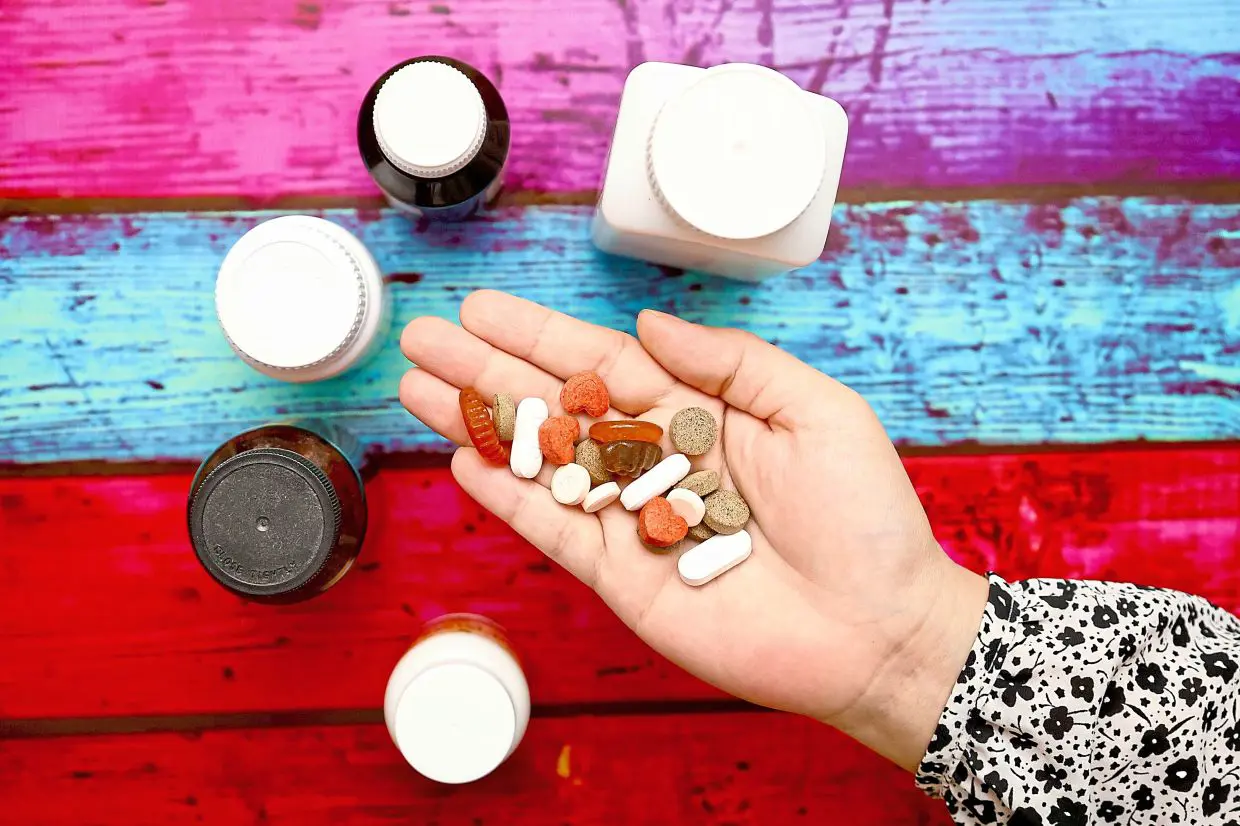


Supplements serve as a protective and corrective tool to address nutrient deficiencies in the modern diet and in drug-induced cases. — Filepic


Discussion about supplements is a popular topic.

A stroll across a pharmacy, clinic or healthcare establishment will find you faced with a stacked shelf of vitamins, minerals, herbs and nutritional powders.

This ubiquitous availability tends to bring up a critical and reasonable question in the public’s mind: if we eat well enough, why then do doctors and healthcare professionals prescribe supplements?

The solution is not found in health fads, or on sales campaigns, but exists within modern living, evolving dietary patterns, the escalating burden of chronic disease and chronic medication adherence.

Supplements are not meant to replace food and the traditional diets that Malaysians take pride in.

Nutrient deficiencies do not occur only in people who eat poorly or live in extreme conditions; they are increasingly common even among individuals who appear well-nourished.

Malaysia is frequently referred to as a country rich in food, due to abundant produce but modern eating habits have changed significantly over the past few decades.

Rapid urbanisation, long working hours, shift work and easy access to convenience foods – all these have changed what and how we eat.

Fast and highly processed items, sugary sweets and fried foods, as well as large portions of refined carbohydrates now serve an increasingly important role in urban dining patterns.

These foods provide enough calories and are satiating in nature, but they usually lack important micronutrients.

National local surveys found that adults fail to meet the recommended intakes of calcium, iron (especially women) and many vitamins, despite consuming adequate, or even high, calories.

This leads to a paradox in which one may seem well-fed or even overweight but be functionally malnourished.

These deficiencies may not lead to illness over the long term but over time are associated with fatigue, lower immunity, bad bone health and increased risk of chronic disease.

Impaired absorption and changing lifestyles

The gastrointestinal system is crucial for the absorption of nutrients.

Various conditions, including irritable bowel syndrome, inflammatory bowel disease, coeliac disease, low stomach acid and prior gastrointestinal surgeries, can hinder the uptake of vitamins and minerals.

Additionally, even without a formal diagnosis, elements such as chronic stress, alcohol intake, and frequent antibiotic usage can compromise gut integrity and disturb the balance of the microbiome, thereby diminishing nutrient availability.

Modern lifestyles place extra demands on nutritional health.

Chronic stress, often faced by urban professionals and those working shifts, has been linked to an increased requirement for various nutrients, particularly magnesium and B vitamins.

Inadequate sleep can disrupt hormonal balance and nutrient utilisation.

Alcohol consumption hinders the absorption and metabolism of B vitamins, zinc and magnesium, whereas smoking amplifies oxidative stress and reduces levels of vitamin C and antioxidants.

Together, these elements contribute to a gradual and unnoticed decline in nutrient levels, frequently occurring well before any laboratory indicators become evident.

Increased physiological demands

Various life stages such as pregnancy, breastfeeding, adolescence, menopause and ageing require increased nutrient intake.

In these scenarios, relying solely on dietary consumption may not suffice to fulfil these heightened requirements, making supplementation a viable and evidence-supported option.

Expectant and nursing mothers need to increase their intake of iron, folate, iodine, calcium and vitamin D to preserve maternal well-being and facilitate the growth of the foetus or infant.

Factors like chronic stress, infections, inflammation and significant physical or mental exertion further increase the turnover of nutrients.

Older adults, due to age-related digestive changes, are often prescribed multiple long-term medications, which must be taken cautiously to ensure adequate nutrient absorption.

The metabolic demands for these individuals are heightened as many also have chronic health issues such as hypertension, diabetes and heart disease, hence require medications that can disrupt the body’s nutrient balance.

An overlooked problem

Perhaps one of the most clinically significant yet often overlooked causes of nutrient deficiencies is the prolonged use of medications.

These drug-induced nutrient deficiencies (DIND) arise when drugs disrupt the processes of digestion, absorption, metabolism, transport or excretion of essential nutrients.

This does not suggest that medications are detrimental or unnecessary; in fact, many are crucial for effective disease management.

However, neglecting to consider their nutritional impacts can undermine treatment efficacy and overall health.

To counteract deficiencies resulting from medication use, supplements are advised, which is particularly important in Malaysia, where chronic conditions such as diabetes and heart disease are widespread.

The high prevalence of diabetes often necessitates long-term medication, potentially leading to unintended malnutrition and associated public health concerns.

DIND can occur as medications impede nutrient absorption or metabolism, frequently going unnoticed since symptoms like fatigue or cognitive issues are commonly attributed to ageing or stress instead of nutrient shortages.

Common medications

Proton pump inhibitors e.g. omeprazole and pantoprazole are widely used for gastric pain, acid reflux and ulcer disease.

By reducing stomach acid, these drugs reduce symptoms and encourage healing, but stomach acid also plays a key role in the absorption of critical nutrients.

Persistent application of proton pump inhibitors has been linked with impaired absorption of vitamin B12, magnesium, calcium and iron in the long term.

This could lead to anaemia, nerve symptoms, muscle cramps and a higher risk of fractures over time, especially in elderly people.

Metformin, which is the most prescribed drug of choice for type 2 diabetes, is another well-established example.

Long-term use of metformin has been well-established to decrease vitamin B12 absorption, leading to fatigue, tingling or numbness in the hands and feet, memory and concentration problems, and further peripheral neuropathy.

Vitamin B12 is not regularly monitored or supplemented, which leads to symptoms attributed solely to diabetes itself, and leaves the deficiency untreated.

Statins, often prescribed to lower cholesterol and the risk of cardiovascular diseases, present nutritional problems too.

Such medicines suppress cholesterol production by blocking a metabolic pathway that also produces coenzyme Q10, a key ingredient for the formation of energy in muscular cells.

Lower levels of coenzyme Q10 can give rise to muscle pain, weakness and fatigue – effects that can also cause people to stop their medications without medical guidance.

The use of hormonal contraceptives utilised by women, has been linked to lower levels of several nutrients such as vitamin B6, vitamin B12, folate, magnesium and zinc.

Not all users are affected but chronic use may affect mood, energy level and tolerance for stress in high-risk individuals.

Diuretics, which are the medications commonly used for conditions including hypertension and heart disease, raise urinary potassium, magnesium and zinc losses.

Deficiencies in these nutrients are observed as muscle cramps, weakness or abnormal heart rates, especially among elderly patients.

Corticosteroids, like prednisolone, which are administered against asthma and immune-mediated diseases, inflammation or inflammatory disease disrupt the metabolism of calcium and vitamin D, leading to calcium deficiency and bone-wasting.

Osteoporosis is becoming a growing problem among older Malaysians.

Meanwhile, the prolonged or frequent use of antibiotics can disturb the gut microbiome, which is essential for the synthesis of various vitamins, such as vitamin K and several B vitamins.

This imbalance, known as dysbiosis, may negatively affect digestion, immune system functionality, and the absorption of nutrients even after the completion of antibiotic treatment.

DIND are frequently observed yet frequently go unrecognised in clinical settings, despite their widespread nature.

The symptoms associated with these deficiencies are often vague, routine blood tests may yield normal results, and the onset of deficiencies progresses gradually.

Additionally, consultations with healthcare providers tend to focus on disease management rather than evaluating nutritional health.

As a result, numerous individuals experience persistent symptoms that could be alleviated and prevented through proper nutritional intake.

The role of supplementation

Supplementation, when applied correctly, serves as a strategy for correction and prevention rather than a substitute for evidence-based medicine.

Its objective is to restore physiological equilibrium, assist metabolic processes, mitigate the long-term impacts of diseases and the side effects of medications.

It is crucial that supplementation is tailored to the individual, taking into account clinical evaluations, medication history, dietary habits and when necessary, laboratory assessments.

In short, supplements are not lavish goods but serve as protective or corrective tools, especially for people with chronic diseases.

Supplementation should be subject to regular review and used alongside, not replace medical treatment and a healthy diet

When used wisely and correctly, supplements help support the body so that medical treatments can work more effectively and overall health is preserved.

Datuk Dr Nor Ashikin Mokhtar is a consultant obstetrician and gynaecologist, and a functional medicine practitioner. For further information, email starhealth@thestar.com.my. The information provided is for educational and communication purposes only, and it should not be construed as personal medical advice. Information published in this article is not intended to replace, supplant or augment a consultation with a health professional regarding the reader’s own medical care. The Star does not give any warranty on accuracy, completeness, functionality, usefulness or other assurances as to the content appearing in this column. The Star disclaims all responsibility for any losses, damage to property or personal injury suffered directly or indirectly from reliance on such information.

Friday, November 17, 2023

Don’t put your health at risk

PETALING JAYA: Don’t jump for joy if your usual supplements are being sold at knockdown prices on ecommerce websites, because they could be fake or counterfeits that could pose a health risk.

A check on these ecommerce websites revealed that many commonly used supplements are being sold at dirt-cheap prices of up to 70% cheaper by overseas sellers.

The “bogus” supplements bear the real brands and existing labels from the United States, United Kingdom or Australia, which are not that common in Malaysian .

ALSO READ: Suspicious supplements have consumers on high alert

They include popularly consumed supplements like multivitamins and those for joint health, heart health, anti-inflammatory, anti-ageing, antioxidants, probiotics and enzymes.

Buyers are, however, unable to view or verify where these sellers are based.

From the parcel delivery label and information, the products seem to have come from overseas with the parcels delivered through a shipping and consolidating company based in Selangor.

ALSO READ: ‘Ecommerce sites should be held accountable’

While many Malaysians have purchased these products from such sellers, some noticed differences between the original product in terms of product label, design and packaging, and the actual supplement’s look, form and smell.

Malaysian Community Pharmacy Guild (MCPG) Kuala Lumpur and Selangor chairman Rachel Gan said the cheap pricing does not “make sense.”

“It’s quite impossible for these supplements to go so cheap,” she said in an interview.

Questioning the content of such products, she said they could be made with powders used as “filler.”

“But the concern is that they could be made of something else that is unknown and which could damage your kidneys or liver in the long run,” said Gan.

MCPG president Foon Hwei Foong said these products could have been adulterated with unknown substances that could be dangerous to a person’s health. 

 Finding out what these substances are poses another challenge as it is costly to do so, said Gan, adding that consumers who suspect something amiss could send the supplement to a lab to test its ingredients.

“It may cost a few thousand ringgit. That’s why consumers usually don’t bother and just throw the products away since they spent so little to buy them in the first place,” she said.

She added that consumers were likely to only take action when their health is affected.

Despite existing laws and controls to ensure the safety of medicines and supplements in the market, Gan said the emergence of online sellers poses a challenge.

“Any sellers, either from Malaysia or overseas, are allowed to sell online, offering all kinds of unregistered products.

“It could be any overseas brand and the products can pass through Customs checks and reach Malaysian consumers.an let it go through.

“This sounds scary as any supplement can come into Malaysia without being regulated. Online platforms also do not control who can sell what, and they don’t filter what products are on their platforms,” she said.

Gan said a concerted effort from several ministries and agencies is needed for greater enforcement to stop fake supplements from reaching consumers.

For example, she said the Health Ministry can tighten its rules and enforcement through the National Pharmaceutical Regulatory Agency (NPRA), while the Malaysian Communications and Multimedia Commission (MCMC) can require ecommerce platforms to filter their sellers and products, requiring them to have authorisation letters from the concerned brands or the Customs Department.

“The Domestic Trade and Cost of Living Ministry could also play its part in creating awareness among online consumers,” she said.

Gan noted that the NPRA required all medicines, cosmetics and supplement products sold in the Malaysian market to be registered with the Health Ministry.

“The registered products will have a hologram sticker on the item and a registration number beginning with MAL issued by the Health Ministry.

“Consumers can run a check on the hologram by using the FarmaChecker app,” she added.

Source link

Related stories:

Suspicious supplements have consumers on high alert (Poll Inside)

‘Ecommerce sites should be held accountable’

Related posts:

How Metadichol® Can Transform Your Health and Wellness ?


Monday, September 26, 2022

The antioxidant story


The columnist believes that antioxidants are nutrients best ingested through a diet rich in fruits and vegetables.

Are there any benefits to taking antioxidant supplements? the columnist delves into this.

WHILE scientific evidence suggests that ingesting antioxidants in a balanced diet helps in maintaining health and overcoming some diseases, there needs to be some clarifications made, especially regarding antioxidant supplements.

Sales of such supplements are expected to be USD3 billion (RM13.7 billion) this year, rising to over USD4.5 billion (RM20 billion) by 2028, so there is a strong incentive for pharmaceutical companies to keep pushing the sales of antioxidant supplements onto consumers, while at the same carefully omitting to provide two items of significant interest about such supplements.

One is that the costs of producing such supplements are often ridiculously cheap compared to the sale price, hence ensuring that there are substantial profits in continuing to market such supplements.

From a scientific point of view, the other problem is that volumes of research have been extremely inconclusive about the health benefits of taking antioxidant supplements. In some cases, supplements have been linked to higher incidences of diseases; for example, the Selenium and Vitamin E Cancer Prevention Trial (SELECT) on around 35,000 men found that taking vitamin E supplements hugely increased the risks of contracting prostate cancer among healthy men.

Theory of antioxidants

Free radicals are chemical compounds with free (or unpaired) electrons that are prone to oxidising other molecules, such as proteins, carbohydrates, lipids (fats), and DNA. During this process, free radicals can create more free radicals, precipitating a chain of biological destruction due to “oxidative stress” of damaged molecules. Oxidative stress is linked to many diseases such as lung cancer, atherosclerosis, and Alzheimer’s.

For a couple of decades during the last century, antioxidants were deemed to be some sort of miracle compounds, able to diminish the perceived negative effects of free radicals causing oxidative stress within the human body. It is an undoubted fact that severe oxidative damage has been proven to cause cancers and other diseases.

However, the idea that free radicals and the accompanying oxidative stress were always “bad” was probably started in December 1945, based on an article in a ladies’ magazine which Denham Harman had read. Some nine years later, after obtaining a medical degree, Harman had an “epiphany” from “out of the blue” (his own words), and summarily concluded that human aging was caused by oxidative stress damage arising from free radicals in the body, all based on the original 1945 article.

Harman devised experiments on mice which apparently lived longer when fed with antioxidants, though they also suffered negative effects when heavily overdosed with supplements. Other scientists initially thought the theory was plausible and in 1969, Duke University discovered that the body also produced an enzyme called ‘superoxide dismutase’, and suggested it was used to counter the damaging effects of accumulating too many free radicals in the body.

So, all was going swimmingly for Harman and his theory until the 1970s, when other researchers found they could not reproduce the life span enhancing results of Harman’s own experiments on rodents.

Newer experiments in the 1990s proved conclusively that supplemental antioxidants in mice made no difference in their lifespans. These newer experiments involved genetically modifying and adjusting the amount of antioxidant enzymes circulating in the blood, and regardless of the amount of free radicals left in the blood, the life spans of treated and untreated mice did not change.

Even more curious was an experiment done in 2010 by a biologist called Siegfried Hekimi at Mcgill University who bred roundworms to produce higher quantities of free radicals called ‘superoxides’. He had fully expected the modified roundworms to die earlier, but the results found instead that these roundworms lived 32% longer on average compared to normal roundworms with less free radicals in their bodies.

To rub salt into Harman’s wounded theory, Hekimi did another experiment where normal worms were exposed to a toxic weedkiller known to accelerate free radical production in animals. The results were even more surprising than the earlier outcome: worms bred in the toxin lived even longer, around 58% longer than unexposed worms.

And very interestingly, Hekimi found that turning OFF the superoxide dismutase genes in the toxin-exposed worms caused them to return to their normal lifespans. In short, eliminating the effects of antioxidants in the presence of free radicals caused roundworms to live much longer, and applying antioxidants against free radicals caused roundworms to return to their normal lifespans.

Hekimi suggested that superoxides and some other free radicals can act as signalling mechanisms in the worms’ biological systems, spurring the production of genes and other enzymes/compounds which help to repair cellular damage.

If Hekimi is correct, and his idea is currently just as plausible as any other, then it is feasible that some free radicals may prove to be helpful in maintaining health and, in the case of roundworms, also extending their lifespans.

Antioxidants In humans?

Based on recent research over the last few decades, the idea that antioxidants are universally beneficial for humans is clearly incorrect. This is highlighted by other studies. The beta-carotene And Retinol Efficacy Trial (CARET) involving over 18,000 smokers (and people exposed to asbestos) had to be halted 21 months early in 1996 because subjects ingesting high doses of beta-carotene and Vitamin A had a very significant 28% increase in the incidence of lung cancers.

This confirmed the earlier findings of a Finnish study on over 29,000 smokers who also developed an 18% increase in lung cancer rates after ingesting antioxidant supplements. In both studies, the main culprit appears to be beta-carotene.

Do antioxidants work in humans?

The answer is complicated. One reason is that we only know about a very, very few number of compounds which have been determined to contain some antioxidation properties. As an example, fresh strawberries contain vitamin C, a powerful antioxidant.

The fruits also contain plant compounds such as polyphenols (e.g., proanthocyanins and flavonoids), which are antioxidants in their own right, but importantly also have other chemical properties, mostly unknown currently. Therefore, a simple assumption that taking a vitamin C pill is as healthy as eating fruits is completely ignoring the interactions of vitamin C with polyphenols within the body.

Another issue is the assumption that supplemental antioxidant pills are absorbed in exactly the same manner as antioxidants in natural foods. There are many other compounds in foods, including dietary fibres, proteins, fats, carbohydrates, other chemicals, etc, which may be required for the proper uptake and processing of antioxidants by the body. Also, there is evidence that overdosing on some antioxidant supplements can turn them into disease-causing agents.

Importantly, recent studies have shown that the connection between free radicals and health may be much more complex than previously thought. Modern research indicates that some free radicals may actually be beneficial rather than harmful, and therefore eliminating them indiscriminately may be undesirable, though we are currently uncertain as to which free radicals may prove useful.

Human cells already contain antioxidant enzymes which help reduce free radical levels. The primary antioxidant enzymes used by human cells are superoxide dismutase, catalase, glutathione peroxidase, and glutathione reductase. From various metabolic processes, the body also produces secondary antioxidants such as lipoic acid, glutathione, coenzyme Q10, melatonin, uric acid, L-arginine, metal-chelating proteins, bilirubin, and transferrin.

The known antioxidants which the human body cannot produce, and which must come from the diet, are vitamins A, C, D, E, K, and the B vitamins, selenium, manganese, zinc, Omega-3, and Omega-6 fats. Humans can produce a certain amount of vitamin D via sunlight, but this capacity is reduced as we age. Flavonoids can also be included on the list, although they are not critical for health.

Summary

Around 52% of Americans take antioxidant supplements of some kind. In general, pharmaceutical companies like selling them as such products usually do no or little harm, and they are very profitable.

In summary, antioxidants are nutrients which are best ingested via varied, healthy diets with at least five different types of vegetables and fruits daily. Selective supplemental nutrients may also be helpful due to personal circumstances. For example, I take vitamin D drops in the seasons when there is reduced sunlight in the region, and they are always taken with proper meals.-

By CHRIS Chan

The views expressed here are entirely the writer’s own. 

Source link